
Founded in 2010, FLYPOWER is a high-tech enterprise specializing in the research, development, production, and sales of polymer materials. Leveraging its core technological strengths and starting with heat-shrink materials, the company established its Medical Division in 2018, expanding its business and product portfolio into the fields of medical devices and catheters, with the mission of becoming a globally leading supplier of materials for interventional medical devices.
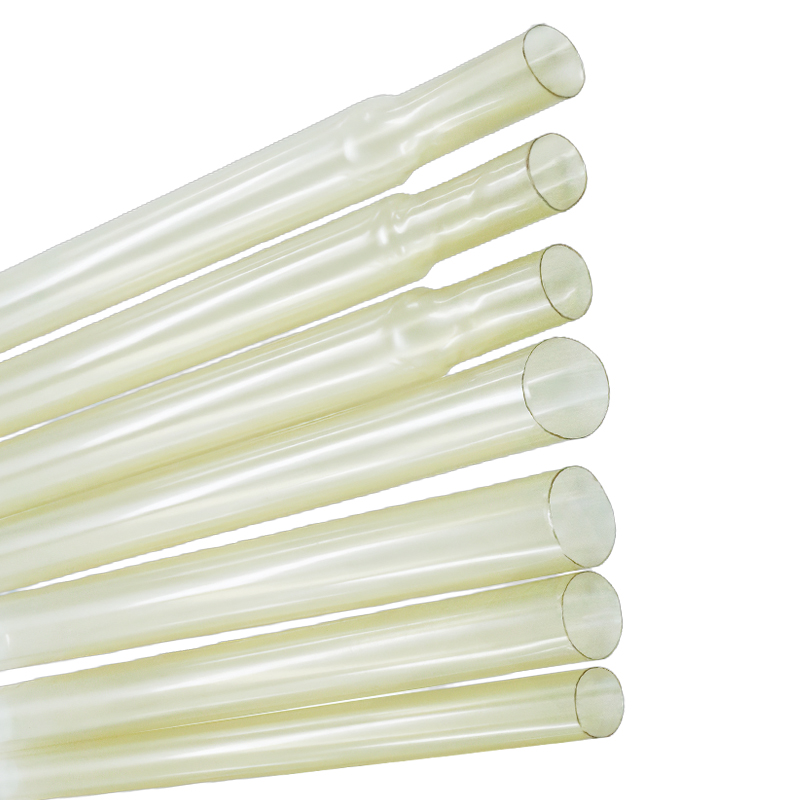
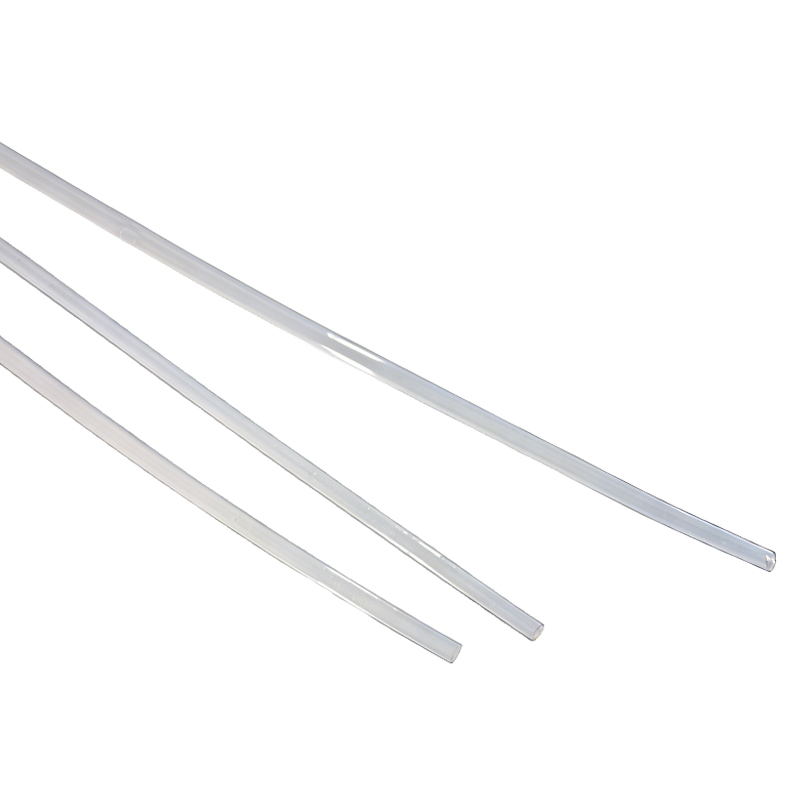
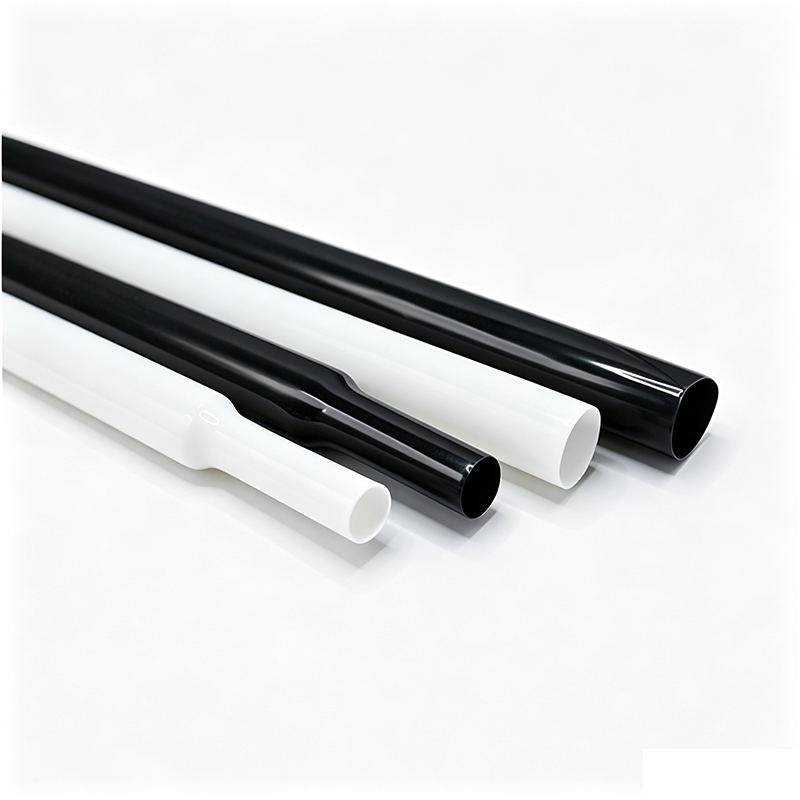
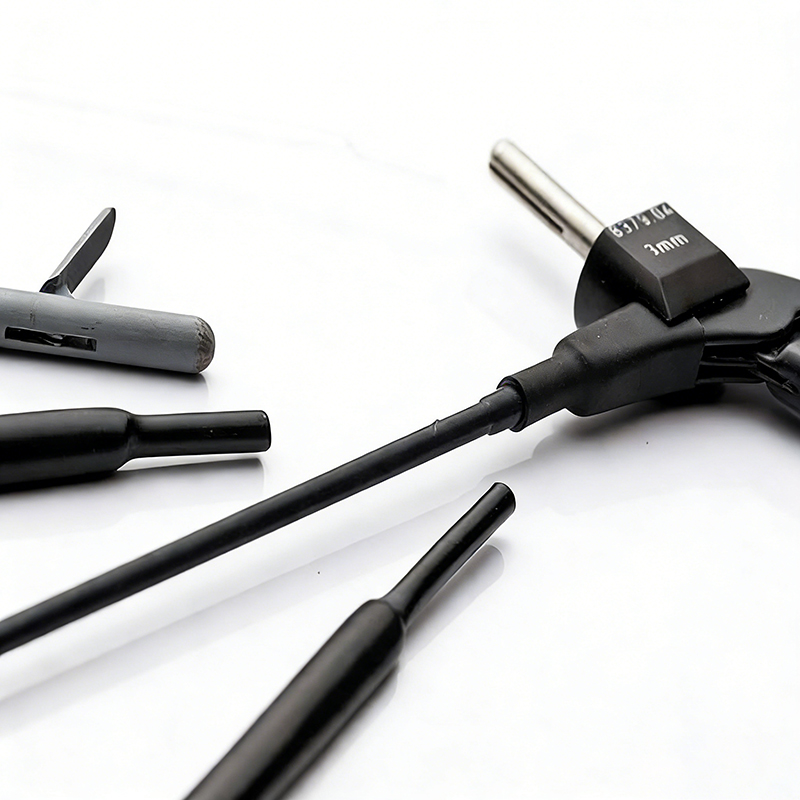
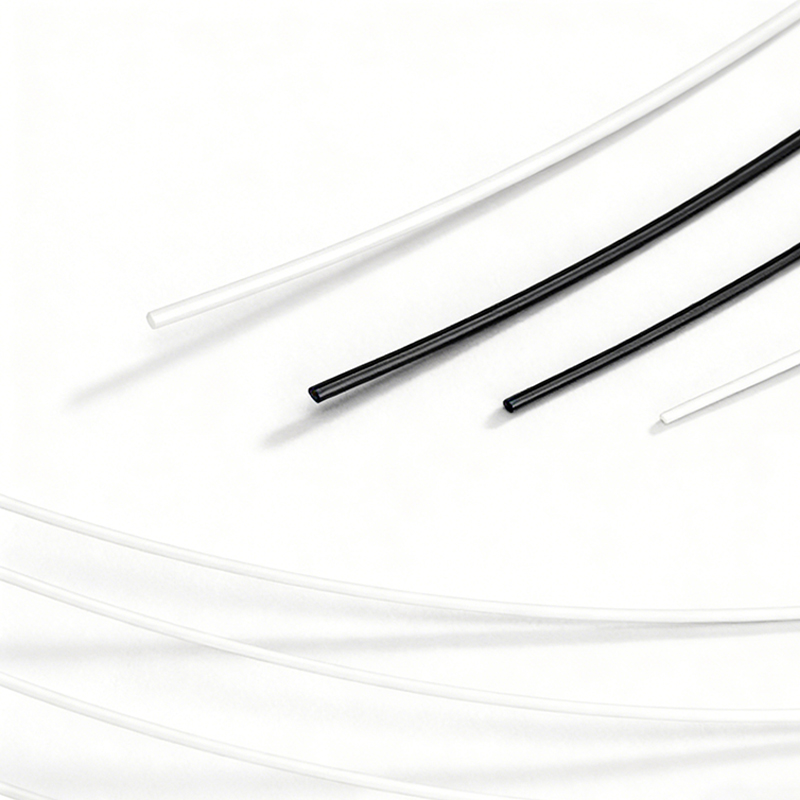
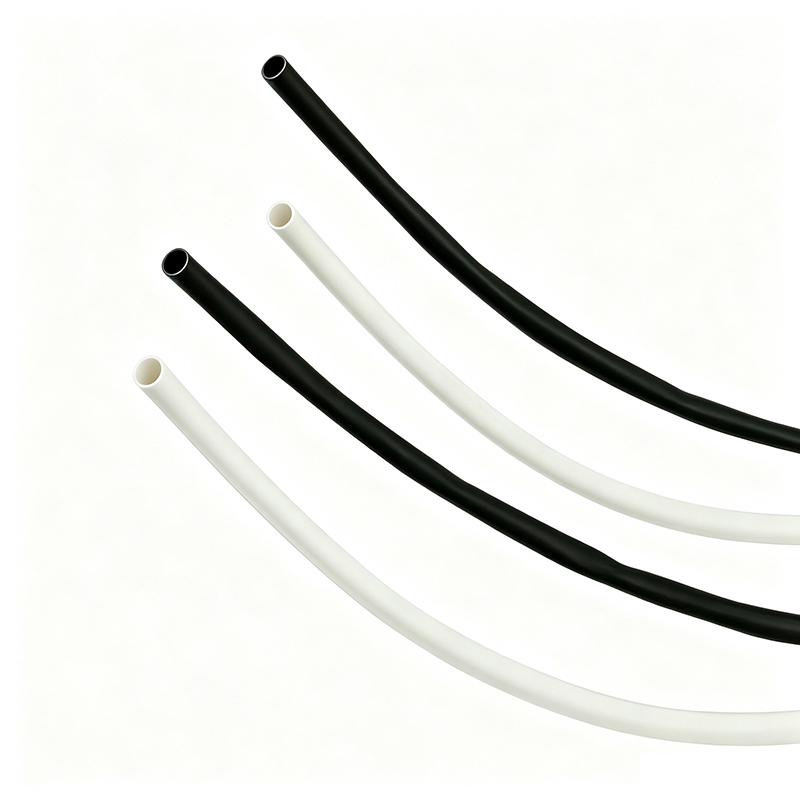
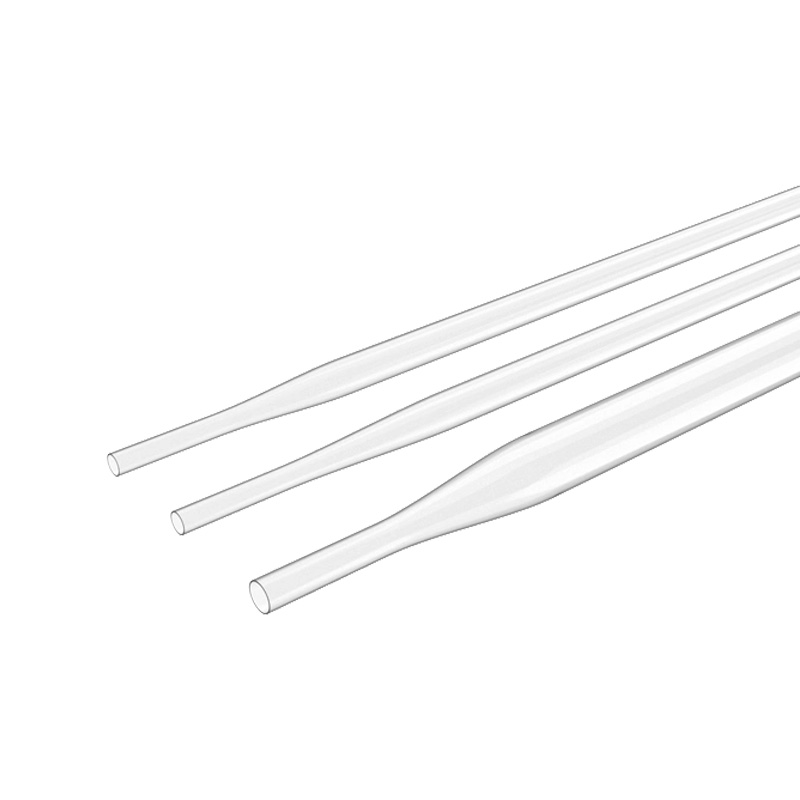
Contact Us No. 77, Bao Nan Road,Nan Lian Community,Long Gang Street,Long Gang District, Shenzhen, Guangdong,518116,China (+86)755 2917 9250 info@flypowermedical.comBH-MT-PEEK-HS heat shrink tubing is extruded from medical-grade PEEK resin, offering the highest continuous-use temperature and mechanical strength among medical shrink materials. It can withstand extreme temperatures, high pressure and caustic fluids. It is mainly used for electrical component insulation, medical device protection, wire and cable encapsulation and insulation, impact- and wear-resistant insulation, mandrel covering, and similar applications.
Shrink Ratio: up to 1.4:1
Adhesion to metals
Compatibility with steam, gamma, EtO & E-beam sterilization
Fully recovery temperature: +300℃~ +340℃
Operating temperature: -70℃~+260℃
ISO 10993 compliant
|
Model |
Expanded ID (Min) |
Recovered ID (Max) |
Recovered WT |
|||
|
Inch |
mm |
Inch |
mm |
Inch |
mm |
|
|
BH-MT-PEEK-HS-17 |
0.038 |
0.97 |
0.027 |
0.69 |
0.008 ± 0.002 |
0.20±0.05 |
|
BH-MT-PEEK-HS-16 |
0.045 |
1.14 |
0.032 |
0.81 |
0.008 ± 0.002 |
0.20±0.05 |
|
BH-MT-PEEK-HS-15 |
0.055 |
1.40 |
0.039 |
0.99 |
0.008 ± 0.002 |
0.20±0.05 |
|
BH-MT-PEEK-HS-14 |
0.085 |
2.16 |
0.060 |
1.52 |
0.008 ± 0.002 |
0.20±0.05 |
|
BH-MT-PEEK-HS-13 |
0.092 |
2.34 |
0.065 |
1.65 |
0.008 ± 0.002 |
0.20±0.05 |
|
BH-MT-PEEK-HS-12 |
0.101 |
2.57 |
0.072 |
1.83 |
0.008 ± 0.002 |
0.20±0.05 |
|
BH-MT-PEEK-HS-11 |
0.112 |
2.84 |
0.080 |
2.03 |
0.008 ± 0.002 |
0.20±0.05 |
|
BH-MT-PEEK-HS-10 |
0.125 |
3.18 |
0.089 |
2.26 |
0.008 ± 0.002 |
0.20±0.05 |
|
BH-MT-PEEK-HS-9 |
0.137 |
3.48 |
0.098 |
2.49 |
0.008 ± 0.002 |
0.20±0.05 |
|
BH-MT-PEEK-HS-8 |
0.160 |
4.06 |
0.114 |
2.90 |
0.008 ± 0.002 |
0.20±0.05 |
|
BH-MT-PEEK-HS-7 |
0.174 |
4.42 |
0.124 |
3.15 |
0.008 ± 0.002 |
0.20±0.05 |
|
BH-MT-PEEK-HS-6 |
0.200 |
5.08 |
0.143 |
3.63 |
0.008 ± 0.002 |
0.20±0.05 |
|
BH-MT-PEEK-HS-5 |
0.221 |
5.61 |
0.158 |
4.01 |
0.008 ± 0.002 |
0.20±0.05 |
|
BH-MT-PEEK-HS-4 |
0.252 |
6.40 |
0.180 |
4.57 |
0.008 ± 0.002 |
0.20±0.05 |
|
BH-MT-PEEK-HS-3 |
0.277 |
7.04 |
0.198 |
5.03 |
0.008 ± 0.002 |
0.20±0.05 |
|
BH-MT-PEEK-HS-2 |
0.316 |
8.03 |
0.226 |
5.74 |
0.008 ± 0.002 |
0.20±0.05 |
|
BH-MT-PEEK-HS-1 |
0.349 |
8.86 |
0.249 |
6.32 |
0.008 ± 0.002 |
0.20±0.05 |
|
BH-MT-PEEK-HS-0 |
0.392 |
9.96 |
0.280 |
7.11 |
0.008 ± 0.002 |
0.20±0.05 |
|
Property |
Test Method |
Typical Data |
|
Longitudinal change |
UL224 |
≤5% |
|
Cold bend |
UL224 |
No cracking at −70°C |
|
Dielectric strength |
UL224 |
≥60 kV/mm |
|
Volume resistivity |
UL224 |
≥5×10¹⁵ Ω·cm |
|
Tensile strength |
ASTM D2671 |
≥70 MPa |
|
Elongation at break after aging |
ASTM D 2671(175˚C/168 hrs) |
≥ 80% |
This FAQ covers process, application, compliance and commercial topics. All physical properties, dimensions, test methods, and rated values are published in the official BH-MT-PEEK-HS datasheet and are intentionally not repeated here — please refer to the datasheet for specification data.
Q1: When should we specify medical-grade PEEK heat shrink tubing instead of standard FEP or PTFE shrink sleeves?
A1: Specify PEEK heat shrink when your thermal or mechanical demands exceed what fluoropolymer sleeves can deliver. Typical triggers we see from catheter and device engineers: reflow or bonding processes that run above the softening range of FEP; tooling and mandrels that must survive repeated high-temperature cycles; assemblies needing a tough, wear- and impact-resistant sleeve that remains on the device; and environments involving high pressure or aggressive fluids. Conversely, if your reflow process runs comfortably within the FEP window, a fluoropolymer sleeve is usually the more economical choice — PEEK heat shrink earns its place where temperature, pressure, or mechanical abuse rules out softer shrink materials.
Q2: Can BH-MT-PEEK-HS be dropped directly into our existing FEP-based reflow process as a replacement?
A2: Treat it as a material change under your change-control procedure, not a drop-in swap. Three practical points:
(1) Thermal input — PEEK recovers in a significantly higher temperature range than FEP (see datasheet), so confirm your hot-air station, nozzle, or oven can reach and hold the required window with calibrated measurement at the sleeve surface, not just at the setpoint.
(2) Geometry — the available shrink ratio differs from high-ratio FEP products, so verify the expanded-to-recovered diameter coverage against your largest OD transition, taper, or step-down.
(3) Revalidation — heating profile, dwell, cooling, and removal steps must be re-characterized and re-documented (IQ/OQ/PQ as applicable) before production release.
Q3: Is BH-MT-PEEK-HS a “peelable” heat shrink? How is it removed after processing?
A3: No — and we want to be direct about this. BH-MT-PEEK-HS is not a self-peeling product. Removal after recovery requires longitudinal scoring and slitting (skiving) or a controlled cut-and-strip operation, similar to standard non-peelable shrink tubing. Because PEEK develops adhesion to metals during heating, removal force on metal mandrels and cores can be higher than with fluoropolymer sleeves; we recommend defining your release strategy (release agents where permitted, removal temperature, tooling, operator aids) during process development with sample material. If tool-free, hand-peel removal is a hard requirement of your line, ask us about our peelable heat shrink series instead — that is the right product family for zero-blade workflows.
Q4: How do we establish a stable thermal processing window for this tubing?
A4: Start from the recovery temperature range published in the datasheet and build your window empirically: use a calibrated hot-air source, ramp progressively rather than shocking the sleeve and heat directionally (e.g., proximal-to-distal) so recovery proceeds sequentially and trapped air is pushed ahead of the recovery front — this is the same “squeegee” logic engineers apply to avoid voids in any reflow process. Verify actual sleeve surface temperature with a fine thermocouple or calibrated IR reading, watch for uniform compression with no wrinkles, and confirm the assembly has fully cooled before removal attempts. Under-heating leaves incomplete recovery and poor consolidation; localized over-heating risks damaging adjacent polymers in your construct, which often have far lower thermal tolerance than the PEEK sleeve itself.
Q5: Which substrate and adjacent materials is BH-MT-PEEK-HS compatible with?
A5: It is well suited over metallic substrates (stainless steel, Nitinol, plated conductors — the material is designed for adhesion to metals), high-temperature polymers such as PEEK and polyimide and wire/cable or component insulation duties. The critical compatibility check is thermal, not chemical: the recovery temperatures required for PEEK heat shrink will exceed the melt or degradation thresholds of common catheter jacket materials such as Pebax®, TPU, and standard nylons. Do not use it as the reflow sleeve over those softer jackets. For any new substrate combination — especially where adhesion to, or release from, the substrate matters — run sample trials before committing the design.
Q6: Will gamma or EtO sterilization affect the sleeve’s subsequent removal and peel/slit behavior?
A6: PEEK as a base polymer is highly resistant to ionizing radiation and to ethylene oxide processing; at typical sterilization doses, changes to the bulk material are minimal, and the datasheet lists steam, gamma, EtO, and E-beam compatibility. However, your assembly is not only PEEK: adhesives, marker bands, adjacent jackets, and coatings may respond to radiation or EtO in ways that change interfacial adhesion — and therefore change how the sleeve slits and strips. If the sleeve will see sterilization before removal (for example, in a tooling or rework scenario), include a post-sterilization removal check in your process validation rather than assuming pre-sterilization behavior carries over.
Q7: How should we think about repeated sterilization cycles?
A7: Repeated steam autoclaving is one of the classic strengths of PEEK — it is widely used on reusable surgical instruments for this reason, and gamma/EtO/E-beam compatibility is likewise listed in the datasheet. Two boundaries apply. First, repeat-sterilization validation is a device-level activity: the device manufacturer must demonstrate that the whole construct (not just our sleeve) maintains function and safety over the intended number of cycles. Second, if BH-MT-PEEK-HS is used as a single-use process aid, we do not recommend resterilizing and reusing the sleeve itself across builds — dimensional and removal behavior after repeated cycles should be treated as unverified unless you have validated it for your specific use.
Q8: Where is this tubing a good fit — and where should we NOT select it?
A8: Good fits: high-temperature reflow/compression sleeving where fluoropolymer shrink would soften or fail; mandrel and core-wire covering; electrical insulation of device components and interconnects; wire and cable encapsulation; impact-, abrasion-, and wear-resistant protective covering; exposure to high pressure or caustic fluids. Poor fits — we advise against selecting it for: reflow of low-melting jacket stacks (Pebax®, TPU, standard nylons), where the required recovery heat would destroy the underlying construct; lines that mandate tool-free hand-peelable removal; highly flexible distal segments where a stiff, high-modulus sleeve would alter device handling; and any permanent implantable or body-contact role without device-level biological evaluation by the device manufacturer.
Q9: The raw material is and ISO 10993 compliant — does that mean our finished device is covered?
A9: No. This distinction matters and we state it explicitly: compliance of the raw material to and ISO 10993 speaks only to the material as supplied by us. It does not constitute, imply, or substitute for regulatory approval or biocompatibility clearance of your finished medical device. FLYPOWER supplies a component sleeve only. The device manufacturer retains full responsibility for: biological evaluation of the finished device per the ISO 10993 series (including evaluation of the complete material stack and processing residues), sterilization validation (e.g., ISO 11135, ISO 11137, ISO 17665 as applicable), process validation, risk management per ISO 14971, and all regulatory submissions. We support your file with material compliance declarations and lot documentation, but device-level approval remains yours to obtain.
Q10: How should the tubing be stored, what is its shelf life and can storage conditions affect later removal behavior?
A10: Store in the original sealed packaging in a cool, dry, dark environment, away from direct sunlight/UV, heat sources, and contamination (dust, oils, solvents). PEEK itself is dimensionally stable with very low moisture uptake, so the material ages slowly — but the tubing is supplied in an expanded state and prolonged exposure to elevated storage temperatures can trigger partial premature recovery, shrinking the expanded ID below what your assembly requires and altering how the sleeve fits, recovers, and ultimately slits off. Practical rules: apply first-in-first-out stock rotation; do not store near ovens or in hot warehouses; re-measure expanded ID on a sample before use after extended storage; contact us for the lot-specific shelf-life statement and any re-inspection criteria.
Q11: How do we move from samples to small batches to validated mass production?
A11: We structure the ramp the way device engineers actually validate:
(1) Samples — request standard-size sample lengths for bench trials; we recommend ordering two or three adjacent sizes so your DOE can bracket the diameter transition and removal method.
(2) Process development — run your thermal window and removal DOE on sample material; our engineering team can discuss processing experience, though final parameters are yours to establish.
(3) Pilot/PPAP-stage lots — small production-quantity lots with full lot traceability and certificates of analysis, suitable for OQ/PQ builds.
(4) Mass production — locked specification (size, cut length, packaging, documentation), agreed change-notification terms so validated processes are never surprised by silent material changes. Tell us your validation timeline early so sample and pilot lead times align with your build schedule.
Q12: What information should our RFQ include to get a fast, accurate quotation?
A12: The more engineering context you give us up front, the fewer rounds of clarification. Please include:
(1) application and role of the sleeve (process aid/reflow, mandrel covering, permanent insulation, protection);
(2) your assembly OD/ID and tolerance stack, plus the largest diameter transition the sleeve must cover;
(3) underlying substrate materials and their thermal limits;
(4) your heating equipment type and its maximum achievable temperature;
(5) intended removal method (skiving, cut-and-strip) and whether the sleeve stays on the device;
(6) sterilization method and number of cycles the sleeve will see;
(7) required cut lengths, packaging, and labeling;
(8) trial quantity, annual volume estimate and target timeline;
(9) documentation needs (material compliance declarations, CoA, lot traceability, change-notification agreement). Incomplete RFQs are the single biggest cause of quoting delay — the list above is what our engineers will ask for first.
Trademark disclaimer: Pebax® is a registered trademark of Arkema. Nitinol, PEEK, and all other material designations, and any third-party trademarks referenced in this document, are the property of their respective owners. Reference to third-party materials or trademarks is for technical discussion only and implies no affiliation with, or endorsement by, their owners. BH-MT-PEEK-HS is supplied as a component sleeve; nothing in this document constitutes a warranty of finished-device performance or regulatory approval.